

If you use a baby feeder at home, the nipple is the one part your baby touches with their mouth at every single feed. Keeping it clean is one of the simplest things you can do for comfortable, happy feeding. The good news is that you do not need expensive equipment: a pot, clean water, dish soap and a drying rack are enough.
How do you keep baby feeder nipples hygienic? Rinse the nipple right after every feed, wash it in warm soapy water while squeezing water through the hole, rinse well, and air dry on a clean rack. Boil nipples for five minutes once a day (or after every feed for newborns), and replace any nipple that feels sticky, looks cracked, or feeds more slowly than before.
Why Does Nipple Hygiene Matter for Your Baby?
Clean nipples mean comfortable feeds, steady milk flow, and nipples that last longer before needing replacement. A well looked after nipple gives your baby a familiar, comfortable latch every time, and milk flows through it the way the manufacturer intended, which means less fussing and fewer interrupted feeds.
Milk residue is food, and like any food it does not improve with sitting. When a nipple is rinsed and washed promptly after each feed, nothing builds up inside the tip or around the base. Parents often notice that babies feed more calmly with a fresh, clean nipple, because the sucking rhythm stays natural instead of the baby having to work harder through a partially blocked hole.
There is also a practical money benefit. Silicone nipples that are cleaned gently and stored dry can serve you for months, while nipples that are scrubbed with harsh brushes or left soaking in milk get sticky and worn much sooner. Good hygiene is genuinely good value.
How Should You Clean Feeder Nipples After Every Feed?
Wash each nipple in warm water with a small amount of dish soap, squeeze soapy water through the hole, rinse thoroughly, and air dry. The whole routine takes about two minutes and becomes second nature within a week.
Here is the step by step routine that works in any Pakistani kitchen:
- Rinse immediately. As soon as the feed is over, separate the nipple from the bottle and run clean water through it. Do not let milk sit in the nipple while you do other chores, because dried milk is much harder to wash off.
- Wash with warm soapy water. Fill a clean basin or the kitchen sink with warm water and add a few drops of your regular dish soap. There is no need for special baby bottle soap, though you can use it if you like. Wash the nipple with your fingers or a soft bottle brush, paying attention to the base where it meets the bottle ring, because milk collects in that groove.
- Push water through the hole. Hold the nipple under running water and gently squeeze so the water streams out through the feeding hole. This clears any milk film inside the tip, which is the one spot a brush cannot easily reach. Turn the nipple inside out if the design allows, and give the inner surface a quick rub.
- Rinse well. Rinse under clean running water until no soap remains. Soap residue can make milk taste off, so take a few extra seconds here.
- Air dry completely. Place the nipple on a clean drying rack with the hole facing down so water drains out. Do not dry with a kitchen towel, because towels leave lint and can transfer whatever else they have wiped. Let everything air dry fully before the next use or before storing.
One habit worth building: wash nipples in a dedicated basin rather than the main sink if your sink usually holds dirty dishes. A small plastic tub costs very little at any local store and keeps the feeding gear separate from everything else.
How Often Should You Sterilize Feeder Nipples?
Sterilize nipples once a day for babies under three months, and every two to three days for older babies who are otherwise healthy. Daily washing with soap handles everyday cleanliness; sterilizing adds an extra layer of care during the newborn months when it matters most.
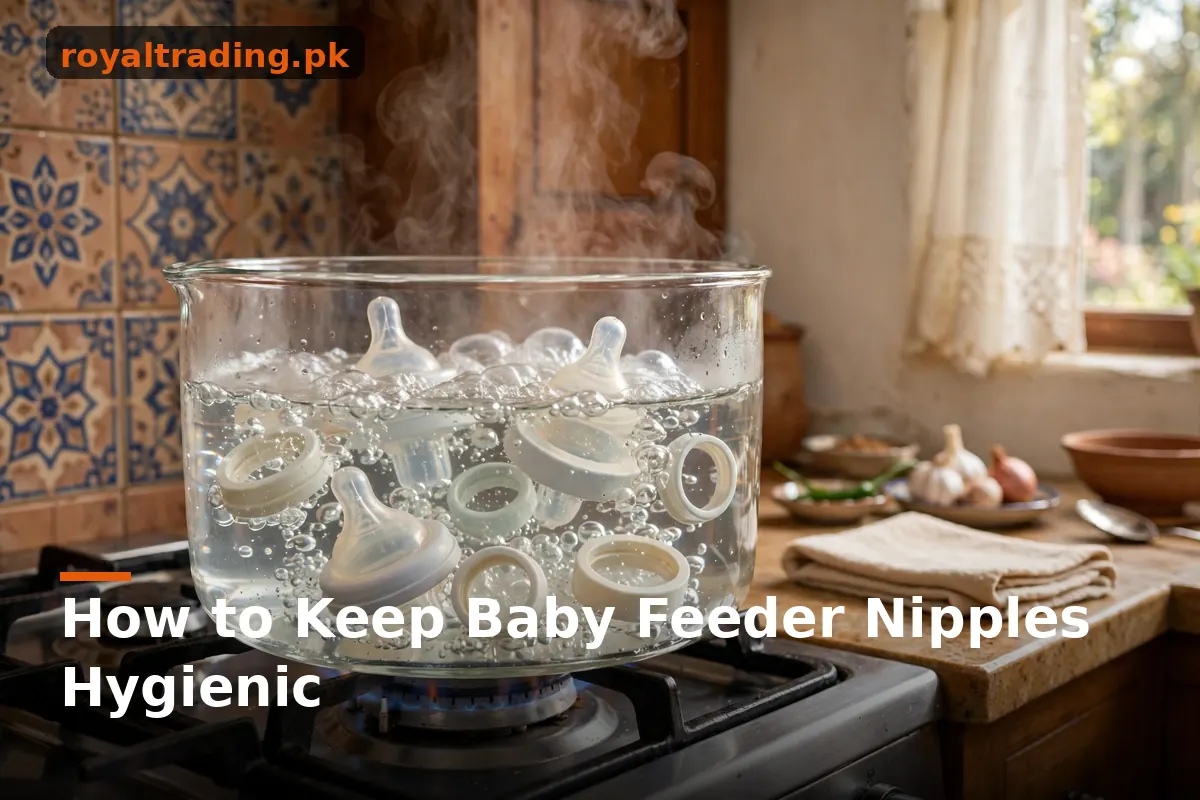
The easiest sterilizing method in a Pakistani home is simple boiling, and it works perfectly:
- Bring a clean pot of water to a full rolling boil.
- Drop the washed nipples in and keep the water boiling for five minutes. Use a spoon to keep them submerged if they float.
- Lift them out with clean tongs and place them on the drying rack, hole side down.
- Let them air dry completely before use or storage.
Boiling needs no electricity, which makes it ideal during loadshedding, and it costs nothing beyond the gas you already use. An electric steam sterilizer works well too, but it is a convenience rather than a necessity.
For babies under three months, many paediatricians suggest sterilizing after every feed. Once your baby is past the newborn stage and putting everything in their mouth anyway, sterilizing every couple of days alongside your daily wash routine is plenty. Our detailed walkthrough of how to sterilize baby bottles covers the full bottle and nipple process together if you want the complete routine in one place.
Silicone vs Latex Nipples: Which Is Easier to Keep Clean?
Silicone nipples are easier to keep hygienic because they are firmer, less porous, and stand up better to repeated boiling. Most nipples sold in Pakistan today, including the popular Shield range, are made from food grade silicone.
Silicone has several practical advantages for hygiene. It does not absorb odours the way latex can, it keeps its shape through hundreds of boils, and its smooth surface gives residue less to cling to. Latex nipples are softer and some babies prefer the feel, but latex breaks down faster and needs replacing more often.
The Shield Evenflo Nipple Regular is a good example of what to look for: food grade silicone, BPA free, and suitable from 6 months. The 6 piece box costs Rs 1,500, which works out to Rs 250 per nipple, a very reasonable price for nipples that will survive months of daily boiling. When you buy, check that the packaging mentions food grade silicone and BPA free, and buy from a trusted seller so you know you are getting the genuine product. If you are still deciding on the feeder itself, our Shield baby feeder review and our Kiddu baby feeder review break down sizes, prices and value for Pakistani parents.
When Should You Replace a Feeder Nipple?
Replace a nipple when it feels sticky, looks discoloured or cracked, or when milk flows noticeably slower than it used to. Think of it positively: a fresh nipple feeds better, latches more comfortably, and makes every feed smoother.
Here are the signs to watch for:
You Might Also Like
- Stickiness or tackiness. Run your finger over the nipple. If it feels sticky or gummy even after washing, the material is breaking down and it is time for a new one.
- Slower flow. If your baby starts fussing, falling asleep mid feed, or taking much longer to finish the same amount of milk, the hole may have narrowed with age. A fresh nipple restores the proper flow instantly.
- Cracks, tears or thinning. Hold the nipple up to the light and gently stretch it. Any thin spots, cracks or tears mean it should be retired immediately.
- Colour change. A nipple that has gone cloudy, yellowish or dull looking has aged, even if it still feels fine. Fresh silicone looks clear and bright.
- Loss of shape. If the nipple no longer springs back when you squeeze it, or the base does not seal tightly in the bottle ring, replace it.
As a general rhythm, inspect nipples every week and plan on replacing silicone nipples every two to three months with regular use. Keep one or two spares in the cupboard so a worn nipple never catches you without a replacement at midnight. Choosing the right flow for your baby’s age matters too, so our guide to choosing the right feeder size in Pakistan is worth a read when you restock.
How Should You Store Nipples Between Feeds?
Store clean, fully dry nipples in a covered container away from dust, heat and direct sunlight. Proper storage keeps your cleaning work from going to waste.
Once nipples are completely air dried, place them in a clean container with a lid, a zip pouch, or a dedicated section of your kitchen cupboard. They must be fully dry before you put them away, and they should be covered, because open shelves in a busy kitchen collect dust and cooking residue.
Keep them away from the stove and from windows with strong direct sun, since prolonged heat ages silicone faster. Do not store nipples inside sealed plastic bags while still damp, and avoid piling heavy items on top of them, which can squash them out of shape. If you assemble bottles in advance for the night feeds, that is fine, just keep the assembled bottles covered and use them within a few hours.
Where Can You Buy Replacement Nipples in Pakistan?
Genuine replacement nipples are widely available in Pakistani pharmacies, baby stores and online shops with cash on delivery. Buying a multi pack is the most economical way to keep fresh spares on hand.
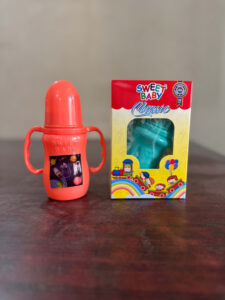
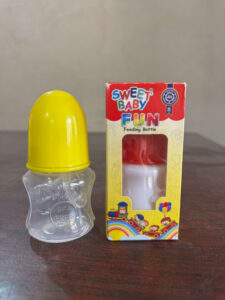
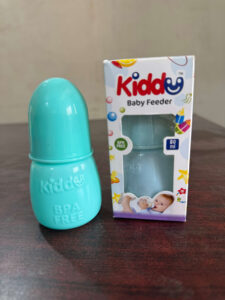
The Shield Evenflo Nipple Regular 6Pcs box at Rs 1,500 is a strong value pick: six food grade silicone, BPA free nipples at Rs 250 each, enough to rotate through daily use while keeping spares ready. Local brands like Shield, Kiddu and Sweet Baby are stocked by most medical stores and baby shops in major cities, and online stores deliver across Pakistan with cash on delivery, so you can order from home.
When buying, a few checks protect you: buy sealed packs from sellers you trust, confirm the nipple size and flow matches your bottle brand, and avoid loose, unpackaged nipples from market stalls, since you cannot verify the material or age. The bottle itself matters for hygiene too, and our PPSU vs PP bottle material guide explains which bottle types pair best with regular sterilizing.
Frequently Asked Questions
How often should I replace bottle nipples?
Inspect them weekly and replace silicone nipples every two to three months with daily use, or sooner if they turn sticky, cracked, discoloured, or slow flowing.
Is boiling enough to sterilize baby bottle nipples?
Yes. Boiling clean nipples in rolling water for five minutes is a fully effective sterilizing method, and it works during loadshedding since it needs no electricity.
Can I use regular dish soap to wash feeder nipples?
Yes, your normal dish soap is fine. Use a small amount, wash with your fingers or a soft brush, and rinse thoroughly so no soap residue remains.
Should nipples be stored wet or dry?
Always dry. Air dry nipples completely on a clean rack before storing them in a covered container. Storing them damp undoes your cleaning work.
Do silicone nipples last longer than latex ones?
Yes. Food grade silicone resists odours, keeps its shape through repeated boiling, and typically lasts two to three months of daily use, noticeably longer than latex.
How do I clean the small hole in the nipple tip?
Hold the nipple under running water and gently squeeze so water streams out through the hole. This flushes out milk film from the one spot a brush cannot easily reach.
Where can I buy genuine replacement nipples with cash on delivery in Pakistan?
Trusted online baby stores deliver sealed multi packs across Pakistan with cash on delivery. The Shield Evenflo 6 piece box at Rs 1,500 is a reliable, economical choice.